
I have recently (and not for the first time) been in conversations with other nonprofit professionals regarding how to be most supportive to individuals and groups who are seeking to make a difference within their communities via organized, grassroots community-based efforts. Quite often, these individuals or groups have created or are in the process of creating tax-exempt, nonprofit organizations. More often than not, the reason they have taken this route (or plan to) is because they have been told that there is grant funding available for nonprofit organizations to help them fulfill their missions. And this is true. The Nonprofit Hub reports that there are literally BILLIONS of dollars’ worth of funding available from a variety of sources, for the right organizations doing the right things. The question, then, is whether yours is that “right” organization, and are you favorably positioned to take advantage of all of these funding opportunities?
What I am finding in my interaction with organization leaders and future leaders is that most want to get to the money — and thus, the work for which it is needed — without doing the necessary foundational work to position themselves favorably to be able to take advantage of the opportunities out there. I call this “organizational readiness.”
There are several degrees and levels of readiness to which organizations need to attend (new organizations and often even established ones, as well) . The most basic need is to establish your organization as a tax-exempt nonprofit. Most funders are primarily interested in funding organizations that have received tax-exempt, charitable purposes status from the federal government (IRS). Even though an organization may be working without plans to create profit, until the organization has the official status granted by the IRS, you will not be recognized by funders who require this status. Gaining this status is not complicated, but it does require an extensive application process, that can be tricky if you don’t understand it. It is generally best to work with a nonprofit development specialist to achieve this status. This is the first step. It will require a board of incorporators to complete basic planning (e.g. development of articles of incorporation and bylaws, preliminary planning, etc.). This board may later become the governing board of directors for the organization (required). As a note, there is a relatively new 501 (c) (3) EZ status that is easier to obtain, especially for new/emerging organizations. The primary qualifier is that the organization must not have had an annual budget of over $25,000, nor anticipate that they will have over the next year. For more information, contact the IRS (information available online, as well).
Beyond that, most funders require that you have certain things in place to even be considered for funding opportunities. These may include:
- Committed Board of Directors (Governing)
- Clear vision and mission
- Coherent strategic plan, including clear organizational and program goals, and objectives
- Capable management, staff, and volunteers
- Legal standing to do business in your community
- Appropriate tax status
- Accounting systems and financial management protocols
- Programs that are vital to the well-being of the community
- Fundraising plan, which seeks support from many different sources (not just grants)
- Facilities, equipment, and maintenance, as needed and appropriate
- A track record of service
That last item — a track record of service — is often critical to getting a funder to even consider your proposal for funding, as most funders want some assurances that you are able to deliver whatever project or program you are proposing, and the best assurance is a history of having successfully done the same or similar thing before. Experience. Many funders are not interested in funding “new” or “start-up” organizations who do not have a track record of providing the services for which they are requesting funding or serving the constituency for which they plan to work.
For this, I generally counsel emerging organizations to not be afraid to start working, even before having major funding. Start small. Build on successes. Utilize volunteers, which has the added advantage of engaging the community in your work while the organization is still young, and creating community buy-in and ownership (another key ingredient for a positive view from potential funders). Seek small donations from community members and/or small local businesses or other local partners. Donations need not always be financial (money), but may come in the form of volunteerism, materials, and supplies or other resources. You will also have the benefit of reporting the financial value of these donations as in-kind contributions to your work.
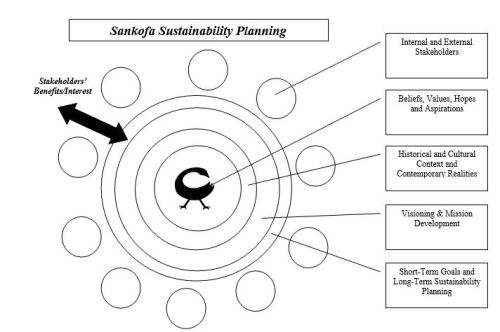
Strategic planning is also critical, as many funders will ask how the project you are proposing fits into your long-term strategic plan. Here I will emphasize the difference between a strategic plan and strategic planning. Dwight D. Eisenhower’s is reported to have said that “Plans are useless, but planning is everything.” Put simply, “strategic plans” are often documents that are created (in various ways) but end up in a binder on a shelf somewhere collecting dust. Strategic planning is more fluid, flexible, and adaptive, and requires making constant strategic choices to continue toward meeting the organization’s mission.
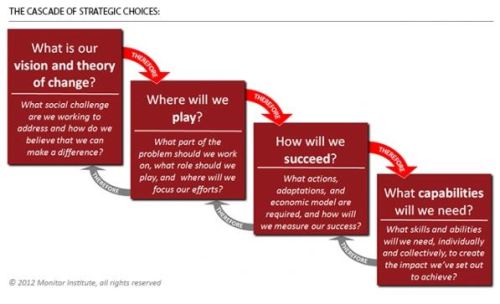
So…where are you and your organization in terms of “readiness”? How can we help?
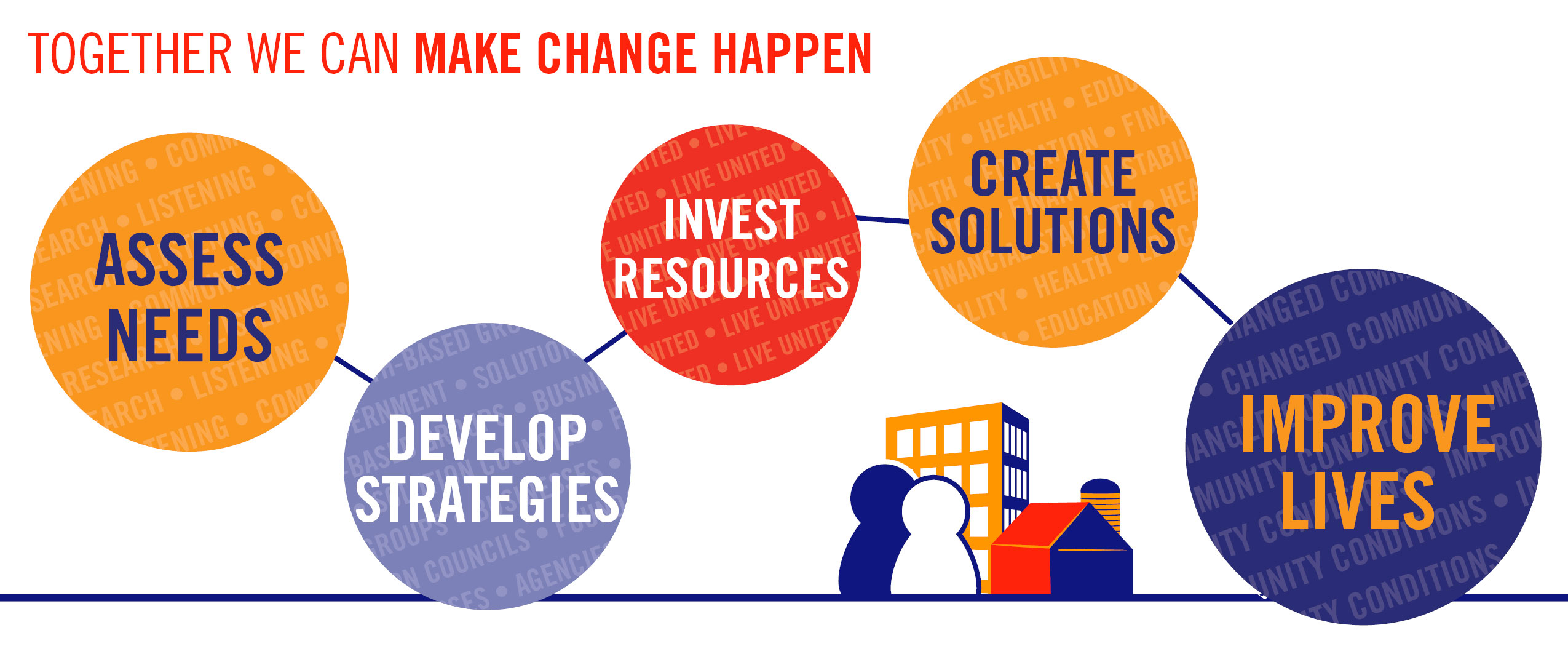


 Antonio is a freshman in high school. He’s just been arrested and released after being involved in a fight with another youth at his school. A condition of his release, under a diversion protocol, is that he commit to regular school attendance, and improve his academic scores (he is an above-average math and science student, but is barely making it through English and History). He has to complete a conflict resolution course offered at the neighborhood center, and must not get any bad disciplinary reports from either his parents or his school. If he can fulfill these conditions, his record will be wiped clean of the arrest. However, if he cannot, he runs the risk of being placed out-of-home in a more structured disciplinary environment. Antonio’s mother is a single parent, working a job and a half to support Antonio and his two younger sisters. She is a high school graduate, with a year of college, but never completed her post-high school education after becoming pregnant with Antonio, whose father left soon after he was born. His two younger sisters have a different father, who is not active in their lives either. She doesn’t really have the time or resources to strictly monitor Antonio, who is not a “bad” kid, but doesn’t really have the kind of structure at home that allows him to fully develop. Antonio’s mother wants him to succeed at his diversion, but worries that she won’t be able to provide the structure and support he needs, based on her work hours.
 In the community where the Council serves, there are at least two dozen human service agencies and organizations providing services that range from youth development to ex-offender release programs. All of the organizations have as part of their mission to provide culturally appropriate programming for residents of this predominantly black community. All struggle regularly with financial resources to deliver their services, but rarely is anyone turned away who needs help. Some of the agencies and organizations offer the same or similar services, with their own special focus, for example, there are three substance abuse treatment agencies, but one focuses primarily on women’s recovery, another focuses on ex-offender drug treatment and the other has had great success working with teens. In addition, one of the youth development organizations is skilled at employing computer technology and Internet social networking to enhance services, and another has an outstanding grant writer.
 Transformative Concepts Consulting Group